سباقات الهجن في وادي رم
Camel Racing in Wadi Rum: Your 2026 Guide to Desert Races & Camel Riding Adventures
Updated November 2025
Stand on the edge of the red sand at dawn and listen: engines hum softly in the distance, camels snort and shuffle at the starting line, and Bedouin men in white dishdashas call out to one another over the loudspeakers. Then, with a burst of dust, the camels surge forward across Jordan’s most famous desert.
مرحباً بكم في camel racing in Wadi Rum in 2026 – where an ancient Bedouin tradition meets a very modern Jordan, complete with robot jockeys, big desert festivals, and camel tours for every kind of traveler.
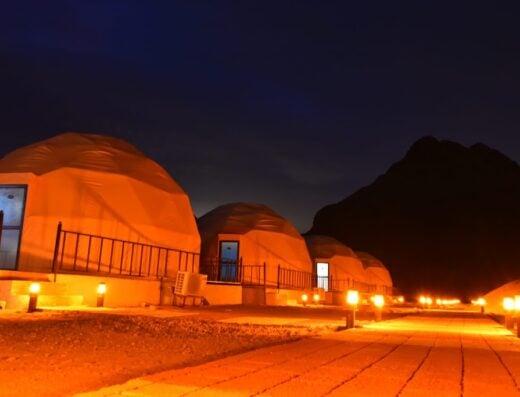
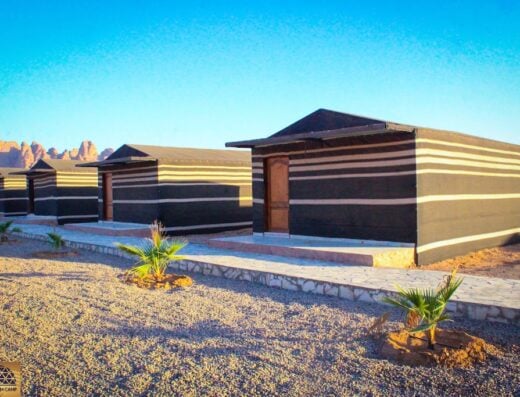
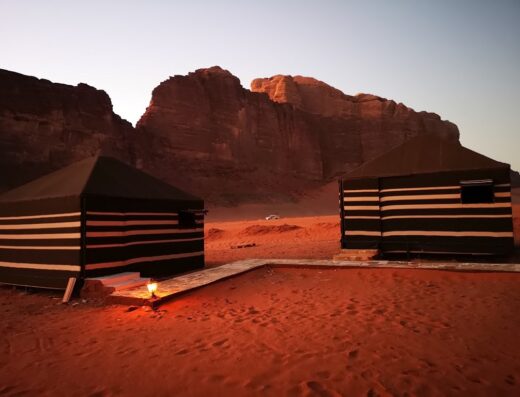
This guide will walk you through everything you need to know: what camel racing actually looks like in Wadi Rum today, when and where races happen, how to watch them respectfully, and how to combine a race day with camel riding in Wadi Rum, jeep tours, and an overnight in a desert camp.
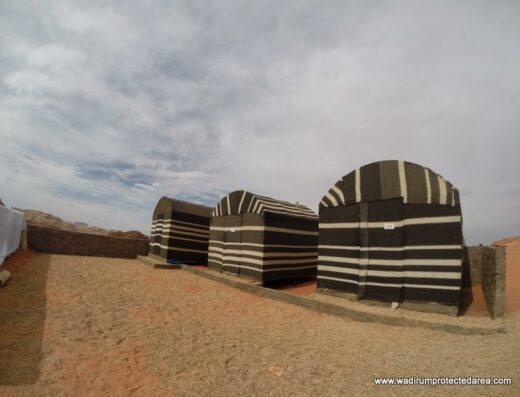
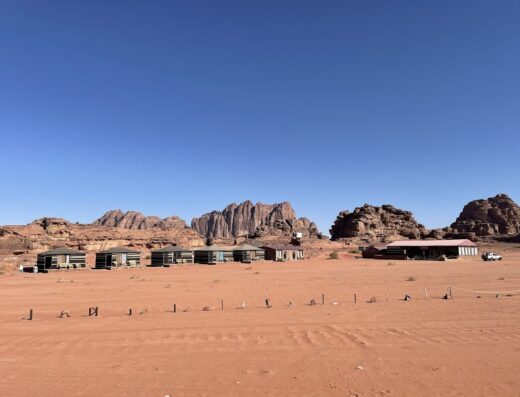
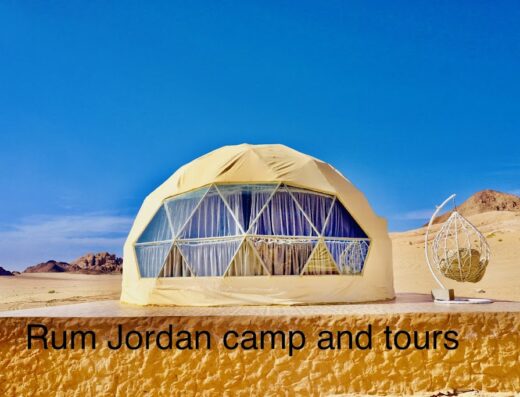
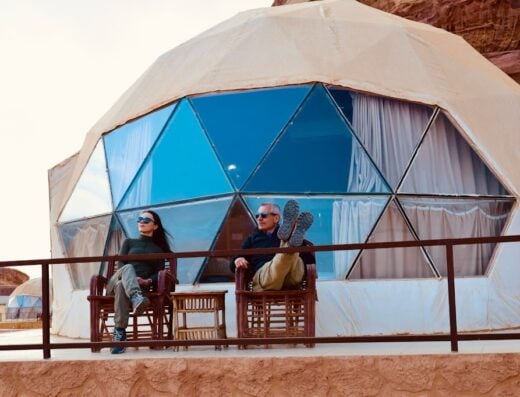
Find here camps in wadi rum for advance planning
What Is Camel Racing in Wadi Rum?
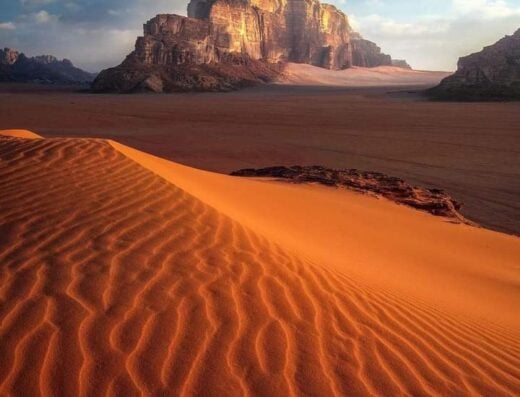
Camel racing is a traditional Gulf and Bedouin sport, and Wadi Rum – with its wide sandy plains and long, flat valleys – is a perfect natural arena.
في Wadi Rum and the nearby Disi (Al-Disah) area, races take place on long desert tracks, often several kilometers in length, with camels running side by side at surprising speed – up to around 60–65 km/h in professional races. Wadi Rum Nomads+1
For visitors, a race day typically means:
A purpose-built camel race track near Disi, about 20–30 minutes’ drive from Wadi Rum village
Lines of camels grouped by age and category
Pickups and 4x4s driving parallel to the camels outside the track, following the race
Loudspeakers, cheering crowds, and a very local, very authentic atmosphere
Camel racing isn’t a daily tourist show. It’s a real sport, deeply tied to Bedouin life in southern Jordan. When you catch a race, you’re seeing something locals care about – not just a performance for visitors.
Bedouin Culture & the Story Behind Camel Racing
Long before jeeps and paved roads, camels were the original “4×4” of Wadi Rum. They carried families between grazing lands, transported goods across the desert, and were a sign of wealth and pride.
Historically, tribes used friendly races to:
Show off the strength and speed of their camels
Celebrate weddings, tribal gatherings, and major religious holidays
Train young men in handling and caring for camels
Over time, simple informal races grew into organized events with:
Prize camels and trophies
Tribal sponsorship and support
Official committees like the Jordan Camel Racing Committee helping regulate and promote the sport Jordan Group Tours+1
Today, when you watch camel racing in Wadi Rum, you’re seeing living Bedouin culture – not something frozen in a museum, but a tradition that keeps evolving.
Modern Camel Racing: Robot Jockeys, Festivals & Big Events
If you imagine tiny boy jockeys balancing on the camels’ backs, that’s now mostly history. Across the region, including Jordan, robot jockeys have largely replaced child riders for ethical and safety reasons. واو جوردان
These small, remote-controlled devices are strapped to the camel’s back. Trainers drive alongside the track in 4x4s, operating the robots and encouraging their camels while staying outside the racing lane.
Major Camel Racing Festivals Near Wadi Rum
In recent years, camel racing in Wadi Rum and Disi has been shaped by big annual festivals, often under royal patronage:
Jordan Camel Racing & Nabati Poetry Festival – Held in the Al Disi area near Wadi Rum, recent editions have combined camel races, an Arab Camel Racing Cup, a camel beauty contest (Mazayin), Nabati poetry, and traditional performances. calendar.jo+1
Earlier Sheikh Zayed Camel Race festivals in Wadi Rum also helped revive the sport, bringing together hundreds of camels and racers from different tribes. Wadi Rum Nomads+1
By 2026, it’s reasonable to expect these camel festivals to continue as annual or regular events, usually in the cooler months (often around October–November). Exact dates change each year, so always:
Check official event calendars like calendar.jo أو
Ask your Wadi Rum desert camp or Jordan tour operator to confirm race dates closer to your travel time. calendar.jo+1
When Is Camel Racing Season in Wadi Rum?
Camel races and festivals typically align with the best weather in Wadi Rum – when it’s cool enough for both humans and camels to be active.
Most desert and race events are concentrated in:
High season: من أكتوبر إلى أبريل
Mild days, cool nights, great for outdoor events and desert activities wadirumecotours.com+1
Peak race & festival months:
Often أكتوبر-نوفمبر و مارس-أبريل, when temperatures are especially pleasant and crowds are higher
Summer (June–August) can see temperatures above 35–40°C, which is simply too hot for comfortable race days and long outdoor stays. Wadi Tribe+1
Good rule for 2026:
If you want the best chance to combine camel racing, camel riding, and stargazing, aim for late October to early April, and try to travel mid-week or outside major holiday peaks for fewer crowds.
Where Do Camel Races Happen?
Most organized camel races linked to Wadi Rum are held at or near:
1. Disi (Al-Disah) Camel Race Track
تقع في Disi / Al-Disah area north of the Wadi Rum Protected Area
Purpose-built track used for major festivals and race events
Accessible by 4×4 from Wadi Rum village and from nearby camps Wadi Rum Nomads+1
2. Local Desert Plains Around Wadi Rum
Smaller or more informal races and training sessions can still happen:
On open sandy plains
Along wide wadis away from main tourist viewpoints
These are less predictable and usually known only to local Bedouin families and guides.
For 2026 travelers, the easiest way to see a race is to:
Ask your Wadi Rum desert camp أو
Have واو جوردان or another local operator check current event dates and arrange transport to the track.
How Visitors Can Watch a Camel Race (Respectfully)
Seeing camel racing in person is one of the most memorable things to do in Wadi Rum, but it’s not like going to an assigned seat in a stadium. Think more along the lines of a big open-air village gathering.
نصائح عملية
Go with a guide or camp host
They’ll know the route, the timing, and where it’s safe to stand or drive.Arrive early
Races can start in the الصباح الباكر (to avoid heat) or late afternoon. Plan to arrive 30–60 minutes before the first race.Stay outside the track
Never walk or drive onto the racing lane. Only officials and camel handlers belong there.Expect a lot of dust
The combination of 4x4s + camels + sand = dust clouds. Sunglasses and a scarf or buff are handy.
الآداب الثقافية
Dress modestly
Light, loose clothing that covers shoulders and knees is respectful and also protects you from the sun.Ask before taking close-up photos of people
Wide-angle shots of the track are fine; always ask if you want a portrait.Be curious, but polite
Many locals are happy to explain things if you greet them, smile, and show genuine interest.
Camel Riding & Wadi Rum Camel Tours in 2026
Even if your dates don’t line up with a race, you can still experience the desert like a Bedouin by booking a Wadi Rum camel tour.
Typical Camel Ride Options
Based on current tour offerings in Wadi Rum: wadirumdaytours.com+3جولات ومخيمات تجربة بدوية حقيقية+3Wadi Rum Excursions+3
Short rides (30–60 minutes)
Great for families and first-timers
Often cost around 10–20 JOD per person
Popular at sunrise or sunset
2–3 hour camel rides
Reach classic spots like Lawrence’s Spring, sand dunes, or small arches
Expect roughly 20–35 JOD per person
Half-day or full-day camel treks
Include lunch, tea breaks, and longer routes deeper into the desert
Prices usually range from 45–80+ JOD per person, depending on group size and inclusions
Multi-day camel treks with overnight camp
Higher budget, but a fantastic way to feel the “old desert rhythm”
Prices vary by operator, group size, and what’s included (meals, jeep transfers, camp stay), and they may shift slightly by 2026 – use these as rough ranges, not fixed quotes.
You’ll see plenty of spelling variations online – camel riding Wadi Rum, camel ridding Wadi Rum, “camel tours Wadi Rum” – but they all lead to the same experience: moving slowly through the desert on the back of a surprisingly calm animal, listening to nothing but wind and soft hoofsteps on the sand.
What to Wear & Bring for Camel Racing and Camel Riding
For both race days and camel tours, pack for sun, sand, and temperature changes:
Clothing
Light, breathable long-sleeve shirt
Loose trousers or long skirt
Hat with a brim or scarf/keffiyeh for sun and dust
Light jacket or fleece for evenings (even in high season, nights can be cool) Wadi Rum Desert Eyes+1
Essentials
Sunglasses
Sunscreen and lip balm
Refillable water bottle
Closed shoes or sturdy sandals (flip-flops are not ideal for camels or sand)
Small daypack for camera, phone, and snacks
Suggested Wadi Rum Itinerary: Camel Racing, Camel Riding & Desert Camp
If you’re planning Jordan for 2026 and want to squeeze the most from Wadi Rum in 24–48 hours, here’s a flexible outline:
Day 1 – Arrival & Camel Ride
Arrive in Wadi Rum by late morning or early afternoon
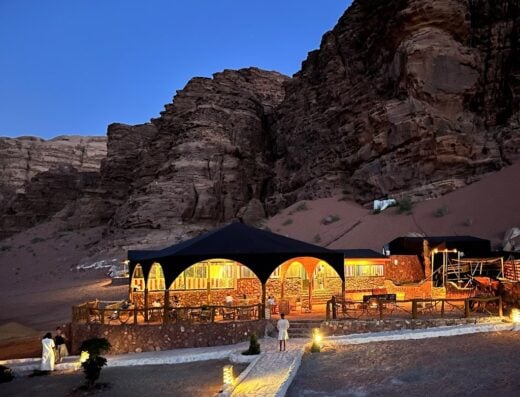
Drop your bags at your Wadi Rum desert camp
Take a 1–2 hour camel riding experience near sunset – perfect introduction to the desert
Dinner at the camp (often a traditional زرب barbecue cooked in an underground oven) and مراقبة النجوم under some of Jordan’s clearest skies Condé Nast Traveler
Day 2 – Jeep Tour & Camel Racing (If in Season)
Early breakfast
Jeep tour to iconic sites (Lawrence’s Spring, sand dunes, canyons, viewpoints)
If your visit coincides with a race or festival:
Your camp or tour operator can drive you to the Disi camel race track to catch one or more races
Return to camp or head onward to Petra or Aqaba in the afternoon
If there’s no race during your dates, trade that time for:
A longer camel trek,
A short hike to a viewpoint, or
Extra time relaxing at the camp.


واو جوردان
23/06/2025 في 6:42 موادي رم وجهة فريدة من نوعها ويجب زيارتها
واو جوردان
14/07/2025 في 2:59 مواو .. هي أول كلمة ستقولها عند زيارتك لوادي رم، خاصة إذا كان ذلك خلال مهرجان سباق الهجن في وادي رم