
Sustainable Tourism and Eco-Tourism in Jordan
Sustainable Tourism in Jordan (2026): Eco-Tourism, Green Travel & Community Impact
Last verified: Oct 22, 2025 (Asia/Amman)
Jordan is one of the Middle East’s most rewarding destinations for travelers who want to explore responsibly. From forested hills in the north to coral reefs on the Red Sea, the country has protected landscapes where tourism funds conservation and supports local jobs. This guide explains what sustainable tourism means in Jordan, where to experience it, and how to plan an itinerary that leaves places better than you found them.
Quick Answer
Sustainable tourism in Jordan is travel that conserves nature and heritage while benefiting nearby communities. The most popular eco areas are Dana Biosphere Reserve, Ajloun Forest Reserve, Wadi Mujib, Wadi Rum, and the Aqaba Marine Reserve. Choose licensed guides and eco-lodges, carry a refillable bottle, stay on marked trails, and respect local customs.
What Sustainable Tourism Means in Jordan
In Jordan, sustainability is practical, not abstract. Visitor spending pays rangers, guides, and craftspeople; fees maintain trails, restore habitats, and help keep cultural traditions alive. Community-based tourism lies at the heart of this model. Many people who once depended on grazing or resource extraction now work in lodges, guiding, carpentry, beekeeping, or handicrafts tied to the protected areas.
Travelers play an essential part in this cycle. When you hire a local guide, choose certified operators, and keep your footprint small, you reinforce a system that protects wildlife, archaeological sites, and community livelihoods.
Jordan’s Eco Destinations
Dana Biosphere Reserve
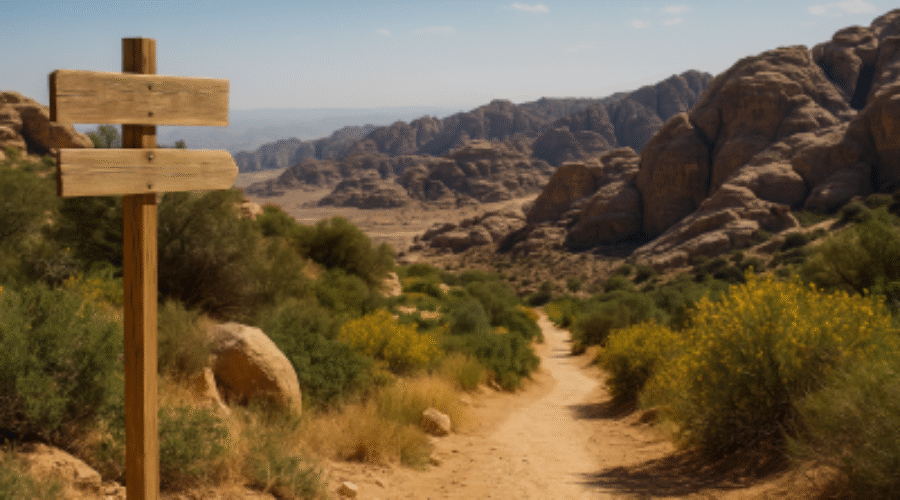
Dana’s dramatic escarpments tumble from highland villages into desert valleys. Trails weave through sandstone canyons and juniper groves, with viewpoints that feel carved from time. Small guesthouses and eco-lodges bring work to nearby families—guiding, cooking, weaving, or astronomy nights. This is one of Jordan’s richest biodiversity areas, and the variety of short and long walks means you can tailor the day to your fitness. Clear, cool mornings are ideal; afternoons bring golden light for photography.
Ajloun Forest Reserve
North of Amman, Ajloun’s oak and pine cover rolling hills that stay pleasantly cool for much of the year. Short loop trails make it easy for families to enjoy the forest without committing to long hikes. Community cooperatives produce soaps, jams, and handicrafts, so a stop at a local workshop becomes part of the travel experience rather than a souvenir dash. Cabins tucked among the trees allow for quiet evenings with birdsong and night skies—an accessible eco-stay only a couple of hours from the capital.
Wadi Mujib
Where cliffs plunge toward the Dead Sea you’ll find Wadi Mujib, a reserve famous for its river-carved slot canyon. In the warmer months, travelers wade and scramble through a natural corridor of smooth rock, waterfalls, and pools. In cooler seasons, dry-trail options show off sweeping desert-to-sea views. Because water levels and safety rules change with the weather, always verify conditions before you go and bring proper footwear. The canyon offers one of the most memorable low-impact adventures in the country.
Plan your canyon day:
Wadi Mujib Canyoning Guide
https://wowjordan.com/en/2025/09/22/wadi-mujib-canyoning-guide-2025/
Wadi Rum
The desert of Wadi Rum is a masterpiece of wind-shaped sandstone, towering rock bridges, and wide, echoing valleys. Sustainable camps keep footprints small, use renewable energy where possible, and protect dark-sky silence for stargazing. Jeep tours follow established tracks to limit erosion, and many camps offer guided walks to learn about Bedouin history, plants, and desert navigation. Responsible travel here is simple: respect quiet hours, take only photographs, and leave only footprints in the sand.
How to choose low-impact camps and routes:
Wadi Rum Jordan Guide
https://wowjordan.com/en/2025/09/25/wadi-rum-jordan-guide/
Aqaba Marine Reserve
On Jordan’s short but celebrated coastline, the Aqaba Marine Reserve protects coral gardens, seagrass meadows, and colorful reef fish. Many sites are accessible from shore with gentle entries, which is perfect for beginners. Choose operators who brief on buoyancy control, never stand on coral, and use reef-safe sunscreen. Snorkelers can follow marked routes; divers will find shallow coral fingers, small wrecks, and calm conditions for training or easy fun dives.
Intro sites and reef etiquette:
Diving in Aqaba – Guide 2026
https://wowjordan.com/en/2025/10/06/diving-in-aqaba-guide-2026/
Nature Meets Culture: Where to Add Heritage
Sustainability also includes people and history. Round out your eco itinerary with time in living museums and archaeological sites that benefit from responsible tourism.
- Jerash offers intact Roman streets, theatres, and colonnades that help fund site care and interpretation.
Jerash Jordan Guide
https://wowjordan.com/en/2025/10/18/jerash-jordan-guide/ - Museums in Amman tell Jordan’s story—from archaeology to contemporary art—and channel visitor attention into preservation.
Best Museums in Jordan
https://wowjordan.com/en/2025/10/21/best-museums-in-jordan/
Eco-Lodges and Community Projects
Feynan Ecolodge (Dana)
Frequently recognized for sustainable design, Feynan uses solar power, serves locally sourced meals, and replaces single-use plastics with refill systems. Stargazing and cultural walks put you in conversation with the landscape and its people. By staying here you help support jobs that keep families rooted in conservation rather than commuting far for work.
Ajloun Cabins & Cooperatives
Forest cabins give direct access to shady trails and quiet nights. Nearby women-led workshops make natural soaps and preserves; purchases have an outsized impact in rural economies. Ask about seasonal herb-gathering and cooking demonstrations.
Low-Impact Camps (Wadi Rum)
Look for camps that manage generator noise, use solar lighting, and follow clear waste policies. A good camp will happily explain how it handles water, waste, and off-road driving. Choose smaller groups for jeep tours, and request established routes to minimize dune damage.
Marine Centers (Aqaba)
Seek out dive centers that emphasize reef protection, small group ratios, and thorough briefings. If you’re snorkeling, ask for a guide who can explain fish behavior and how to avoid accidental contact with corals.
Best Time to Go
- October–April: Cool to mild weather for hiking in Dana, Ajloun, and desert areas; clearer air and long, photogenic shadows.
- April–October: Wadi Mujib wet canyon season; always check daily conditions and age/fitness rules.
- Spring and autumn: Balanced temperatures and typically good visibility in Aqaba; winter can bring calm seas and quiet beaches on select days.
If you’re hiking or canyoning, begin early. In desert or coastal zones, keep an eye on wind and sun exposure; layered clothing and electrolytes make a big difference.
Three Itineraries That Work
A) Classic 3-Day Eco Taster
Day 1 – Ajloun Forest Reserve
Morning drive north, short forest walk, and visit to a crafts cooperative. Overnight in cabins or Jerash.
Day 2 – Dana & Feynan
King’s Highway to Dana. Guided hike to learn about geology and plants. Sunset and stargazing at an eco-lodge.
Day 3 – Wadi Mujib or Aqaba
Wet canyon if the season and conditions allow; otherwise continue to Aqaba for snorkeling. Return to Amman or stay by the sea.
B) 5-Day North-to-South Nature Route
Day 1 – Amman → Ajloun
Forest trail and local dinner.
Day 2 – Ajloun → Jerash → Dana
Heritage morning in Jerash, scenic drive to Dana, overnight in the reserve.
Day 3 – Dana
Longer guided hike or cultural walk with local families.
Day 4 – Dana → Wadi Rum
Sunset jeep tour on established tracks, desert camp with dark-sky stargazing.
Day 5 – Wadi Rum → Aqaba
Morning transfer to the coast, reef-friendly snorkel or introductory dive.
C) Family-Friendly Adventure
Base yourselves in Amman and Aqaba for shorter hops: Ajloun forests and museums on one end, snorkeling and glass-bottom boats on the other. Pick gentle trails and guided half-days rather than long hikes; the variety keeps kids engaged without exhausting them.
Responsible Travel Checklist
- Refill a reusable bottle; filtered water is widely available.
- Stay on marked trails to protect fragile soils and plants.
- Use reef-safe sunscreen; never touch or stand on coral.
- Hire licensed guides and book with certified operators.
- Pack out all litter; ask camps and lodges about their waste systems.
- Keep noise and light low at night in desert and forest settings.
- Dress modestly in towns and villages; ask before photographing people.
- Buy local crafts and foods—it keeps money close to conservation areas.
Getting There and Around
Driving is the most flexible option for linking reserves; roads are well-signed along the Desert Highway and the scenic King’s Highway. Fill up in larger towns and keep a paper map or offline navigation in remote areas.
Intercity coaches and transfers connect Amman with Petra, Wadi Rum, and Aqaba. Private drivers are efficient for tight schedules or multi-stop days. In protected areas, register at visitor centers when required, follow ranger guidance, and respect trail closures.
Navigation inside reserves varies: some trails are clearly waymarked; others require a guide. If you’re unsure, hire a local expert—this supports jobs and keeps you safe.
Costs and Practicalities
- Entrance fees vary by reserve and help fund conservation and community projects.
- Guided activities often include equipment and safety gear; ask what’s provided.
- Eco-lodges and cabins book out during spring and autumn; reserve well in advance.
- Cash is useful in rural areas for crafts and tips; major lodges and dive centers accept cards.
- Connectivity is good on main roads and in towns; expect patchy service in deep canyons and some desert valleys.
Safety, Health & Accessibility
- Canyoning requires fitness and water confidence; confirm age limits and weather-related closures.
- Heat management matters in summer—start early, rest midday, and carry electrolytes.
- Footwear with grip is essential on rocky trails and in wet canyons.
- Allergies and dietary needs are widely accommodated in lodges with advance notice.
- Accessible viewpoints exist at some reserves; contact visitor centers for current options and vehicle access policies.
How Your Visit Helps
Every sustainable choice compounds: a local guide fee becomes school supplies; an eco-lodge salary keeps families rooted in conservation rather than seeking work far away; a ticket funds rangers and trail crews. By choosing certified operators, traveling off-peak when possible, and sharing respectful photos and stories, you help ensure these landscapes and traditions remain vibrant.
Suggested Reading Before You Go
Visit Jordan – Eco-Tourism portal
RSCN – Reserve information and guided trail bookings
Aqaba Marine Reserve – Snorkeling and diving guidelines
Recent conservation project updates from development partners
Useful Internal Guides on WowJordan
Wadi Mujib Canyoning Guide
https://wowjordan.com/en/2025/09/22/wadi-mujib-canyoning-guide-2025/
Wadi Rum Jordan Guide
https://wowjordan.com/en/2025/09/25/wadi-rum-jordan-guide/
Diving in Aqaba – Guide 2026
https://wowjordan.com/en/2025/10/06/diving-in-aqaba-guide-2026/
Best Museums in Jordan
https://wowjordan.com/en/2025/10/21/best-museums-in-jordan/
Jerash Jordan Guide
https://wowjordan.com/en/2025/10/18/jerash-jordan-guide/
FAQs
What makes Jordan a leader in sustainable tourism?
Jordan’s reserves are managed through community-based conservation by the Royal Society for the Conservation of Nature (RSCN). Each site combines biodiversity protection with jobs for locals. Lodges like Feynan Ecolodge and projects in Ajloun and Dana show how visitor spending directly supports nature protection and rural livelihoods.
Which are the best eco-tourism destinations in Jordan?
Top eco-destinations include Dana Biosphere Reserve, Ajloun Forest Reserve, Wadi Mujib, Wadi Rum, and the Aqaba Marine Reserve. Each offers a different landscape—forests, canyons, desert, and coral reefs—and most are linked by RSCN-certified guides and eco-lodges that ensure low-impact experiences.
When is the best time to visit Jordan for eco-tourism?
The best months are October to April, when temperatures are mild for hiking in Dana, Ajloun, and Wadi Rum. April to October is ideal for the Wadi Mujib Siq Trail, while spring and autumn provide clear water and calm conditions for diving and snorkeling in Aqaba.
How does eco-tourism benefit local communities in Jordan?
Eco-tourism funds jobs and small enterprises in remote areas. Local people work as guides, artisans, and lodge staff, while cooperatives like Ajloun’s Soap House sell handmade products. Revenue stays within villages, reducing migration and supporting education, conservation, and sustainable agriculture.
What are the main rules for visiting Jordan’s nature reserves?
Stick to marked trails, travel with certified guides, and follow ranger instructions. Avoid feeding or touching wildlife, collect your waste, and use reef-safe sunscreen. Most reserves prohibit drones and loud music to protect habitats and maintain serenity for visitors and animals.
Are eco-lodges in Jordan environmentally friendly?
Yes. Certified eco-lodges such as Feynan, Ajloun Cabins, and several Wadi Rum eco-camps use solar power, manage waste responsibly, serve local food, and limit single-use plastics. They demonstrate how accommodation can provide comfort while operating with minimal environmental impact.
Can I combine eco-tourism with cultural travel in Jordan?
Absolutely. Jordan’s eco routes often pass near heritage sites like Jerash, Petra, and Karak Castle. Many eco-lodges host cultural evenings, cooking sessions, or storytelling events that showcase local traditions. Combining both experiences deepens your understanding of Jordan’s identity and sustainable future.
