Visit Petra, Jordan (2026): Tickets, Opening Hours, Routes, and Realistic Itineraries
Petra is Jordan’s most iconic archaeological site and it rewards travelers who arrive early and plan a route. Start at the Petra Visitor Center in Wadi Musa, walk the Siq to the Treasury (Al-Khazneh), then continue deeper into the valley toward the Royal Tombs and Monastery (Ad-Deir). Most visitors need one full day for the highlights, while two days lets you add quieter trails and Petra By Night without rushing.
Petra at a glance
-
Location: Wadi Musa, southern Jordan
-
Main entrance: Petra Visitor Center (Wadi Musa)
-
Site size: large—expect long walks and stairs
-
Best for: history, hiking, photography, iconic views
-
Good to know: the walk back out is uphill; bring water and pace yourself
What Petra is (and why it feels unreal in person)
Petra is a UNESCO-listed Nabataean city carved into rose-red sandstone. Photos usually focus on the Treasury, but the real scale of Petra becomes clear only after you keep walking: tombs and façades line cliffs, paths stretch across the valley floor, and major landmarks like the Monastery sit high above the basin reached by long stair climbs.
If you’re visiting for the first time, the most important mindset shift is this: the Treasury is the beginning, not the finish line. Petra is a full-day walking site, and the travelers who enjoy it most are the ones who plan for time, heat, and distance.
Opening hours (official) — plan by season
Petra’s site and visitor center hours change by season. The official Visit Petra site publishes seasonal hours, including summer and winter ranges. Always re-check close to your travel date in case of changes.
Opening hours table (official source)
| Season window (official) | Site & Visitor Center hours |
|---|---|
| Summer (dates vary; example shown on official site) | 06:00 – 18:00 |
| Winter (dates vary; example shown on official site) | 06:30 – 17:00 |
Tip: Even when the site closes at a certain hour, staff begin guiding visitors toward the exit before dark. Plan your “turnaround time” early enough that you’re not speed-walking out at the end of the day.
Petra tickets and entry fees (official) + rules that surprise people
Ticket policies matter because Petra has different prices based on length of stay and special cases (like arriving from a border and leaving without an overnight). The official Visit Petra fees page also mentions passport requirements, consecutive-day rules for multi-day tickets, and free daytime entry for children under 12.
Entry rules (official source highlights)
-
Bring a valid passport to the ticket office.
-
Children under 12: daytime admission is typically complimentary (official note).
-
2-day and 3-day tickets must be used on consecutive days.
-
Special “border ticket” rules may apply for same-day border visitors (official note mentions a 90 JOD border ticket with partial refund logic).
Where to buy tickets
-
On-site: Petra Visitor Center ticket office
-
Online (official): PetraPass ticket portal
Jordan Pass note
Jordan Pass publishes official site hours for Petra within its program context. If you’re deciding between separate tickets vs Jordan Pass, verify what’s included for your itinerary and travel dates.
Petra By Night: This is a separate ticketed event and is not included in standard daytime entry (verify locally for the latest schedule and pricing).
Best time to visit Petra (and the best time of day)
For most travelers, the best seasons are spring (March–May) and autumn (September–November) because temperatures are more comfortable for long walks and stair climbs.
Best time of day
-
Arrive at opening for cooler air and fewer people in photos.
-
Late afternoon can bring warm tones on the stone and softer light—especially around open areas like the Monastery.
Practical reality: Midday heat is what exhausts people, especially if they try to combine Petra with long drives the same day. If you want to enjoy Petra rather than “survive” it, schedule the heavy walking early.
How to get to Petra (Amman, Aqaba, Wadi Rum, Dead Sea)
Petra sits beside the town of Wadi Musa, which is where most hotels and restaurants are located. Your approach route affects what time you enter the site and how much energy you have.
From Amman
Many visitors arrive from Amman by:
-
Private car/driver
-
Tour
-
JETT bus (official Visit Petra site notes departure around 6:30am and return around 5:00pm, and advises checking the latest schedule).
If you do Petra as a day trip from Amman, plan for a long day and accept that you may enter Petra late morning unless you leave very early.
From Aqaba
Aqaba to Petra is commonly treated as a day trip or part of a southern circuit. It’s a popular add-on for Red Sea travelers. JETT operate Aqaba – Petra – Aqaba daily trip, depends on the season (double check jett website for reconfirmation
From Wadi Rum
Wadi Rum pairs naturally with Petra. If you can spare the time, the “best-feeling” itinerary for most travelers is:
-
Petra day → Wadi Rum sunset + camp night
or the reverse.
From the Dead Sea
Dead Sea resorts are a relaxing counterbalance to Petra’s walking. Many visitors do Petra first, then float and recover at the Dead Sea.
Transport tip: If you’re using buses or shared transfers, always re-check schedules close to your date because timing can change.
Petra walking routes: what you can realistically do
Petra is a walking site. Distances feel longer than expected because you stop constantly (photos, views, tea stands, shade breaks).
Route 1: Main trail (Visitor Center → Siq → Treasury → valley)
-
What you’ll see: the classic sequence—Siq, Treasury, then deeper valley landmarks.
-
Who it’s for: everyone, including first-timers.
-
Reality check: the “easy part” is going in; the walk out is the part you feel in your legs.
Route 2: Treasury → Royal Tombs → Colonnaded Street
This stretch shows Petra’s scale: cliffs, tomb façades, and the main valley floor.
Route 3: Basin → Monastery (Ad-Deir)
The Monastery is one of Petra’s biggest payoffs and also one of its biggest climbs. If you have the energy for one major effort, this is usually it.
Route 4: “Backdoor” / Monastery-first approach
Some hikers enter from the highlands near Little Petra and come down toward the main valley. This can be an excellent way to see the Monastery earlier, but it requires planning and transport coordination (verify locally regarding current access, trail conditions, and licensed guiding requirements).
The best things to do in Petra (beyond “take a Treasury photo”)
1) Walk the Siq slowly
The Siq is not just a corridor—it’s part of the experience. Notice the changing light, narrow bends, and the dramatic reveal at the end.
2) Photograph the Treasury with patience
If you arrive early, you’ll get calmer moments and cleaner frames. If you arrive midday, accept crowds and focus on different angles.
3) Climb to the Monastery (Ad-Deir)
The Monastery feels different from the Treasury—more open, more wind, more space. It’s also a great place to slow down, rest, and absorb the scale.
4) Explore Little Petra (Siq al-Barid)
Little Petra is quieter and can be a strong add-on if you have a second day or want a calmer photography session.
5) Choose one “big hike”
Many travelers enjoy Petra most when they choose one major hike (Monastery or High Place of Sacrifice) rather than trying to do every trail in one day.
Petra itineraries that work (half-day, 1 day, 2 days, 3 days)
Half-day Petra (only if you truly must)
Best for: tight schedules or long drives
Plan:
-
Enter → Siq → Treasury
-
Short valley walk
-
Turn back early
Reality: You’ll miss the Monastery and the “deep Petra” feeling.
1-day Petra (best “minimum”)
Best for: most first-time travelers
Plan:
-
Opening: Siq + Treasury
-
Mid-morning: valley landmarks + Royal Tombs
-
Early afternoon: Monastery climb (if weather allows)
-
Exit before closing
2-day Petra (best overall experience)
Best for: comfort + better photos
Plan:
-
Day 1: main route + valley exploration
-
Day 2: Monastery early + side trails + Little Petra
If you want Petra By Night, two days (with an overnight in Wadi Musa) is the cleanest way to enjoy it without risky late-night driving.
3-day southern Jordan loop (Petra + Wadi Rum + Dead Sea or Aqaba)
Best for: people who want balance
A common “feels right” loop:
-
Petra day
Petra is also one of Jordan’s most unique hiking destinations, with trails that range from the main archaeological route to high viewpoints and desert paths around the site. If hiking is a key part of your visit, explore our Jordan hiking trails guide for Petra routes, difficulty levels, and safety tips.
Petra By Night (what it is, who it’s for)
Petra By Night is a candlelit evening walk through the Siq to the Treasury. The Ministry of Tourism page describes it as running on select nights with evening timing (example: Mon/Wed/Thu 8:30–10:00pm), but schedules can change, so treat this as “verify locally” and confirm close to your visit.
Worth it if you:
-
love atmosphere and quiet
-
are staying overnight in Wadi Musa
-
want a different feel from daytime Petra
Not ideal if you:
-
planned Petra as a one-day trip from Amman and must drive back late
-
dislike walking in low light
What to wear, what to bring, and what people forget
Wear
-
Comfortable walking shoes with grip
-
Light layers (mornings can be cool; midday can be hot)
-
Hat + sunscreen in warmer months
Bring
-
Water (more than you think)
-
Small cash (some vendors don’t take cards)
-
Snacks if you prefer control over breaks
-
Power bank (you’ll take many photos)
-
A small flashlight/phone light if doing Petra By Night
What people forget
-
The walk out is uphill
-
Heat multiplies effort on stairs
-
Midday crowds change the experience
Accessibility and mobility notes (honest version)
Petra’s main route to the Treasury is long and uneven. After that, stairs and rocky trails become normal. Some visitors use animal transport near the entrance, but always agree the price first and make safe, ethical choices.
If anyone in your group has mobility concerns, plan for:
-
shorter routes
-
longer rest breaks
-
early entry to avoid heat
-
realistic expectations about the Monastery
Safety, respect, and responsible travel
Petra is protected heritage. To keep the site safe and preserved:
-
Don’t climb on monuments or chase illegal “secret viewpoints”
-
Don’t take fragments or scratch stone
-
Confirm prices before accepting services
-
Follow staff instructions, especially in bad weather
Weather note: In rainy months, flash-flood risk can exist in canyon areas—if staff ask you to exit, do it immediately (verify locally with official notices on the day).
Plan and book smart (the decision that changes your whole experience)
The single best decision you can make is how much time you’ll give Petra.
-
If Petra is a bucket-list priority: stay in Wadi Musa and enter at opening.
-
If you’re doing a day trip from Amman: accept it will be long, and be selective about what you attempt.
-
If you want Petra By Night: overnight is not optional—it’s the sensible plan.
FAQs
When is the best light for photographing the Treasury?
The Treasury sits in a narrow canyon, so it does not get full direct sun for long. Early morning gives soft reflected light on the façade and fewer people in the frame. Late afternoon warms the color of the stone. Midday is brightest but also the most crowded. Tripods can bother crowds and staff in tight spaces, so be respectful.
How early should I start if I want to hike to the Monastery before it’s hot?
Enter Petra as close to opening (around 06:00) as possible and walk directly toward the Basin instead of stopping long at the Treasury. Most travelers reach the bottom of the Monastery stairs within two hours, then climb while temperatures are still reasonable. Bring water; shade is limited on the steps
Can I visit Petra from Wadi Rum in one day and go back to the desert camp?
Yes, in theory. Wadi Rum to Petra is about 1.5–2 hours each way by car. You can leave Wadi Rum after breakfast, tour Petra mid-morning to afternoon, then return to the camp or continue north. It’s a long day, so agree on pickup and drop-off times in writing.
Is it realistic to do Petra and the Dead Sea in the same day?
It’s technically possible if you start very early near Petra and end at a Dead Sea resort just for a sunset float. But most people find it tiring. A more comfortable version is Petra → overnight near the Dead Sea → Amman the next day.
Do I need cash inside Petra, or can I pay by card?
Carry cash (Jordanian dinar). Some stands, cafés, and animal handlers accept only cash. ATMs are in Wadi Musa, not deep inside the site. Keep small bills for water and tea.
Is Petra by Night worth planning around?
Petra by Night is a candlelit event in front of the Treasury with music and narration. It creates a quiet mood and a very different feel than daytime, but it requires a separate ticket and late-night walking through the Siq in low light. If you want it, stay overnight in Wadi Musa instead of trying to drive back to Amman afterward.
Can I climb up to the famous “top view” above the Treasury?
PDTRA warns visitors not to follow unlicensed guides to dangerous ledges or illegal viewpoints above the Treasury. These climbs can damage the site and are risky. Stick to marked trails and official viewpoints.
How strict is Petra about closing time?
Ticket sales normally stop about 45 minutes before closing, and staff begin clearing the site around sunset. In practice, rangers will encourage you to walk back toward the Visitor Center so you exit safely before dark. On rare occasions (bad weather, crowding), PDTRA can adjust hours without much notice.
I heard people try to sleep inside Petra. Is that allowed?
Overnighting inside the archaeological core (caves, tombs, carved chambers) is not legal. Only licensed guides can arrange authorized experiences, and PDTRA specifically bans offers to “sleep in Petra” or camp in tombs. If someone inside Petra offers this, you should refuse.
What about animal welfare in Petra (donkeys, camels, horse carts)?
Animal services exist, mainly to transport visitors or offer rides. Before accepting, observe the animal’s condition and agree on a price. Do not overload animals or encourage handlers to rush them up steep stairs, especially in high heat. If it looks cruel, walk instead and politely decline.
Please choose category to display filters


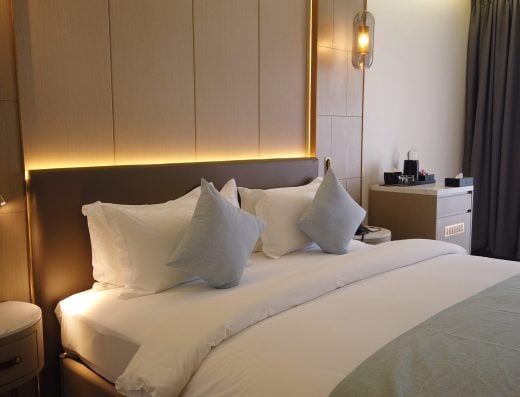
H Luxury Hotel
Wadi Musa



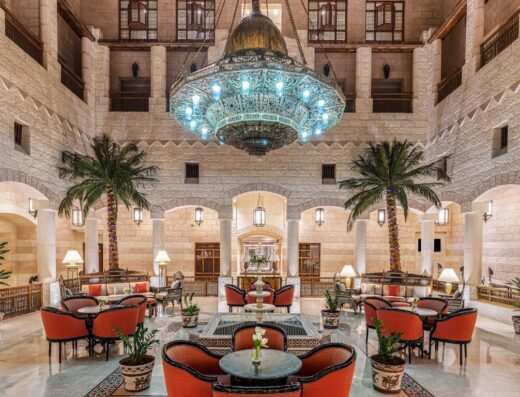

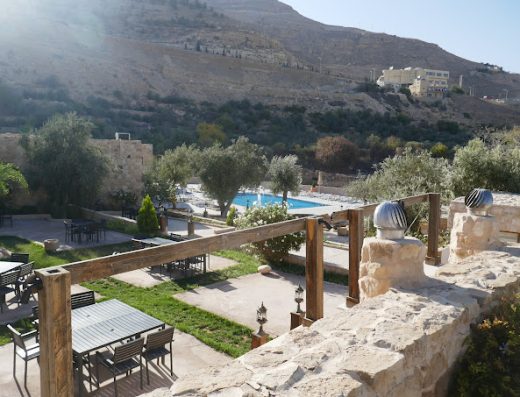
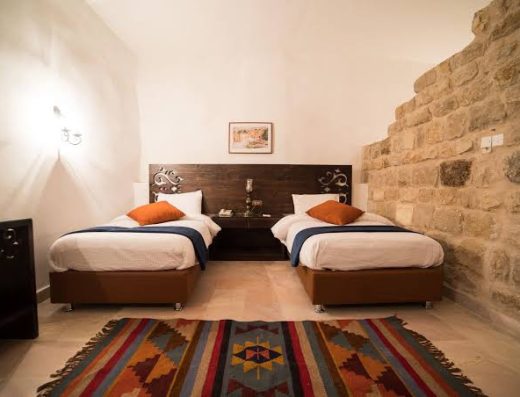
The Old Village Resort
Al Nawafleh Street, Petra, Wadi Musa, Jordan
Please choose category to display filters
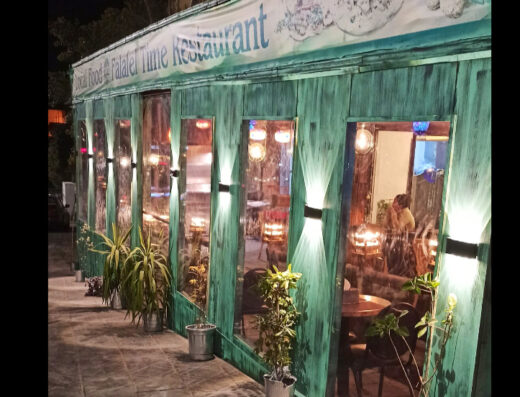

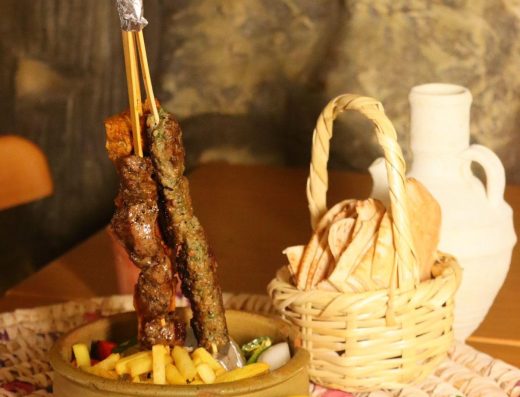

Bedouin House Restaurant
Near Arab bank، Wadi Musa, Petra - Jordan

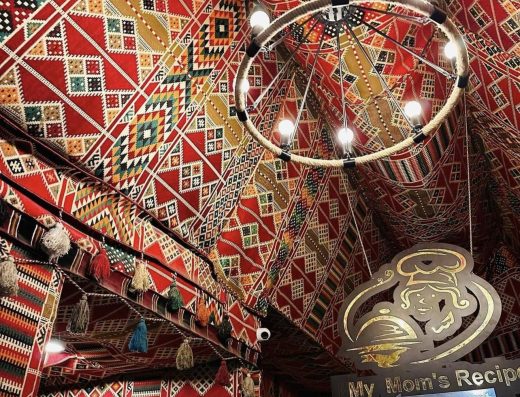
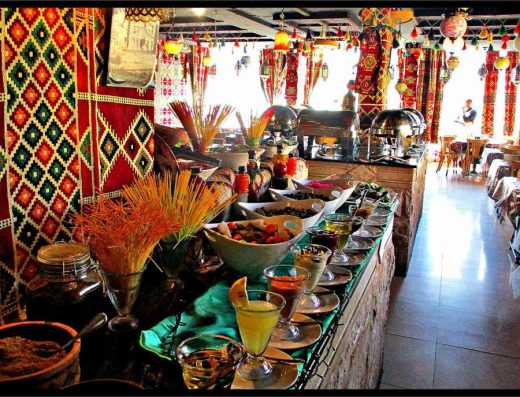
My Mom’s Recipe Restaurant
Tourism Street، Petra