
What the Petra Treasury Is and Why It Matters
The Petra Treasury is a monumental rock-cut façade carved by the Nabataeans more than 2,000 years ago. It sits at the mouth of the Siq, the narrow sandstone gorge that forms Petra’s main entrance. The Treasury’s Arabic name, Al-Khazneh, means “the Treasury,” a later legend that it held royal treasure; archaeologists believe it was most likely a royal tomb or ceremonial monument, not a bank.
The Treasury matters because it is the first dramatic reveal visitors see when the Siq opens. It is also the global symbol of Petra, which is a UNESCO World Heritage Site and the former capital of the Nabataean kingdom. Petra controlled trade routes linking Arabia, the Red Sea, and the Mediterranean. The Treasury’s scale, detail, and preservation make it the single most recognizable carved façade in Petra, and for many travelers it is the reason they come to Jordan at all.
The Treasury is not the end of Petra. It is the gateway. After you see it, Petra continues for kilometers: tombs, the Street of Facades, the Royal Tombs, the Theater, the Colonnaded Street, and high trails leading up to viewpoints and to the Monastery (Ad-Deir). Petra is a full archaeological park, not just one photo stop.
For a full overview of Petra’s history, tickets, routes, and day-by-day itineraries, visit our Petra travel guide
Where the Petra Treasury Is and How to Reach It
The Petra Treasury is located inside Petra Archaeological Park in Wadi Musa, southern Jordan. You cannot drive directly to it. You must walk in.
The standard approach is through the Siq. The Siq is a natural sandstone gorge about 1.2 km long with high canyon walls. You enter Petra at the main Visitor Center in Wadi Musa, pass ticket control, and follow the main trail downhill toward the Siq. From the Visitor Center to the Treasury is typically a 20–35 minute walk at a steady, no-rush pace, plus extra time for photos.
Surface and comfort:
- The ground is mostly packed sand, worn stone, and uneven rock.
- It is walkable in normal sneakers or light hiking shoes.
- Wheel access past the very first stretch becomes difficult because the surface is not smooth, and parts of the path slope.
- Horse carts and similar services are sometimes available from the entrance toward the Treasury, but cost, comfort, and animal welfare vary. Discuss the total price in advance if you consider this option.
Shade and heat:
- The Siq is relatively shaded, especially early morning and late afternoon.
- The walk back out is uphill and often hotter because more of the canyon is lit later in the day.
Arriving very early (near opening) gives you cooler air in the Siq, quieter walking, and a calmer first view of the Treasury.
Best Time to See the Petra Treasury (Light, Heat, Crowds)
Early morning is usually the best time to see the Petra Treasury if you want softer light and fewer people. Petra generally opens around 06:00, with seasonal shifts (earlier closing in winter, slightly longer hours in warmer months).
Here’s what changes across the day:
- Sunrise / early morning
- The canyon is cool.
- Light bounces off the sandstone and gives the Treasury a warm pink-beige tone without full harsh sun.
- Fewer tour groups have arrived yet.
- You can often get clearer photos from ground level.
- Midday
- The Treasury area is busiest.
- Light can be very harsh and flat.
- Heat builds fast, especially in warmer months (June–August).
- Expect more vendors, more noise, and less personal space.
- Late afternoon
- The rock can pick up warmer tones again.
- Some day-trip groups start leaving for Amman, Aqaba, or cruise deadlines, so crowds can thin slightly.
- You must still leave yourself enough time to walk out before Petra closes for daylight visitors.
In summer, the middle of the day can be uncomfortably hot around the Treasury and even more intense once you continue deeper into Petra where shade is limited. In winter, strong winds and sudden rain can make the Siq slippery, and authorities sometimes pause access in heavy rain because of flash-flood risk.
Best-Time vs. Crowd-Level Comparison
| Time Window | Light Quality on Treasury | Crowds | Heat / Comfort |
|---|---|---|---|
| Opening (~06:00–08:00) | Soft reflected light | Lowest of the day | Cool air in Siq |
| Late Morning (~09:00–11:00) | Brighter, more direct | Heavy group arrivals | Warming quickly |
| Midday (~11:00–14:00) | Harsh, flat light | Peak crowds | Hottest, least shade |
| Late Afternoon (~15:00–16:30)* | Warm glow / contrast | Starts easing | Still warm, tiring return walk |
*Adjust “late afternoon” timing based on season. Winter days in Petra are shorter; in peak summer, Petra stays open later. Always confirm closing time the day you visit.
Petra Treasury Viewpoints, Safety, and Etiquette
The safest and most respectful way to experience the Petra Treasury is from ground level in front of the façade. You stand in an open plaza-like area at the mouth of the Siq. This is the iconic postcard view.
There are also elevated views looking down at the Treasury. Some are legal and responsibly managed; others are unsafe or off-limits.
Ground-Level View (Main Plaza)
This is the standard angle most travelers know. You can shoot the full façade framed by the canyon walls. Stay behind any ropes or barriers. Do not climb the carved ledges or columns. Carving graffiti or scratching your name into the sandstone is illegal and damages the monument.
“From Above” Views
People will offer to take you to a “secret viewpoint above the Treasury.” Some of these routes involve scrambling up unstable ledges, crossing taped-off areas, or walking on cliff edges without railings. These are not sanctioned viewpoints. They put you at real fall risk and erode both the monument and visitor safety. Authorities warn against using unlicensed guides for this purpose.
A safer elevated perspective exists from the Al-Khubtha trail area. Hikes in the Al-Khubtha direction lead to high rock platforms overlooking the Treasury from across the canyon, sometimes with informal tea stands or cafés. You still need to hike and climb, and conditions are rocky. You should only follow marked trails and obvious stone steps. If someone tries to lead you off a marked path toward a cliff edge, you should refuse.
Respect the area by:
- Staying on marked trails.
- Not stepping onto unstable ledges for selfies.
- Not throwing items into the Treasury plaza below.
- Following instructions from site staff and rangers.
If a viewpoint feels dangerous or looks like you’re being pulled behind barriers for money, walk away. The fine or injury risk is not worth an Instagram angle.
Tickets, Opening Hours, and Entry Logistics
You cannot reach the Treasury without entering Petra Archaeological Park through the official gate in Wadi Musa. Tickets are checked at or near the main Visitor Center.
Ticket pricing for non-resident visitors typically works like this:
- 1-day Petra ticket: around 50 JOD for visitors who stay at least one night in Jordan.
- 2-day Petra ticket: around 55 JOD.
- 3-day Petra ticket: around 60 JOD.
- Same-day visitors who enter Jordan only to see Petra and do not stay overnight pay more (around 90 JOD for one day).
Important rules:
- Multi-day tickets must be used on consecutive days.
- Children under 12 enter Petra free during daylight visiting hours with a paying adult.
- Tickets are issued in your name and are non-transferable. You should bring your passport or ID when purchasing.
- Petra by Night is not included. You buy that separately.
Opening hours:
Petra generally opens around 06:00. In summer the site and Visitor Center are commonly open until early evening (for example, 18:00). In winter, closing can be earlier (for example, around 17:00). Little Petra, a related Nabataean site nearby, often runs slightly shorter hours than the main Petra gate. These hours can shift, so confirm on arrival in Wadi Musa.
Security and allowed items:
Bags may be inspected. Drones are restricted. Large tripods or lighting setups can attract attention from staff, especially if you block foot traffic. Pack water, sun protection, and ID. Avoid bringing anything you wouldn’t want to carry for several hours of walking.
Jordan Pass basics:
The Jordan Pass is a prepaid bundle that can include Petra access (1, 2, or 3 days) plus entry to many other sites across Jordan. It can also waive the regular tourist entry visa fee if you stay the required minimum nights in the country. The Jordan Pass does not include Petra by Night and still requires you to present your pass at the ticket office for verification.
Because pricing and hours can vary, always confirm details at the Visitor Center or through the Petra main visitor guide
What to Expect When You Arrive at the Treasury
The first thing you feel at the Treasury is the scale. Al-Khazneh is taller than most visitors expect. The carving is cut straight into the cliff, not built from blocks. Corinthian-style columns, niches, and statues are all part of the façade.
Here’s what typically happens when you arrive:
- You step out of the Siq and the Treasury appears immediately in front of you.
- You will likely hear offers from local vendors (tea, souvenirs, camel photos, mule rides deeper into Petra, “secret viewpoint” offers).
- You will probably see camels sitting in front of the monument.
- You will notice ropes or small barriers that keep visitors from walking right up to the carved base.
How to handle attention:
You can say “No, thank you” politely and repeatedly if you’re not interested in rides or paid photo setups. Agree on a clear price before you accept any service. Do not let anyone pose you on an animal or claim it’s “free, you pay later what you want.” That almost never ends cheap.
Respect for the façade:
Do not touch or lean against carved details. Do not climb the lower ledges. The sandstone erodes under repeated contact.
Practical pause:
Use this moment to rest in the shade cast by the canyon edge. Drink water. Reapply sunscreen. This is also a good point to decide how much farther you want to go today (Royal Tombs, Theater, Monastery, etc.).
Time Budgeting and Suggested Itineraries
Seeing only the Treasury can be done in about 2–3 hours round trip from the Visitor Center if you move efficiently. Seeing the Treasury plus the main valley beyond it is a half-day. Adding the Monastery turns it into a full day.
Fast Treasury-Focused Visit (about 2–3 hours total)
- Buy ticket and enter Petra early.
- Walk the main trail and through the Siq (20–35 minutes at a normal pace).
- Spend 20–30 minutes at the Treasury for photos and rest.
- Walk back out the same way.
This plan is common for travelers on strict schedules, cruise excursions from Aqaba, or visitors doing a same-day Amman–Petra–Amman run.
Half-Day Visit Centered on the Treasury (about 4–5 hours total)
- Enter near opening.
- Walk to the Treasury at a relaxed pace, taking short photo stops in the Siq.
- Continue beyond the Treasury into the Street of Facades and past the Royal Tombs.
- Loop back before the day gets hottest.
You’ll get a sense that Petra is a city, not just one façade, without committing to the Monastery climb.
Full-Day Petra Visit (Treasury + Monastery)
- Start as soon as Petra opens.
- Photograph the Treasury while it’s still relatively calm.
- Continue deeper, past the Theater and Colonnaded Street, toward the Basin.
- Climb the ~800+ steps to the Monastery (Ad-Deir), allowing 40–60 minutes up and 30–45 minutes down.
- Rest at hilltop cafés near the Monastery plateau.
- Walk back toward the Visitor Center in late afternoon light.
This is intense in summer heat. Plan at least 2 liters of water per person, sun coverage, and actual breaks in shade.
For complete Petra itineraries covering the Treasury, Monastery, and other key sites, see our full Visit Petra page
Photography Guidance for the Treasury
The Treasury is one of the most photographed monuments in the world, and staff know it. Good manners and respect for other visitors go a long way.
Light:
- Early morning gives softer reflected light on the façade and fewer crowds in the plaza.
- Midday gives strong, flat light and harsh shadows; it’s good for detail shots of carved surfaces but not for wide, people-free shots.
- Late afternoon can warm the sandstone color again, but crowds often gather for that same warm light.
Lenses:
- A standard phone wide lens works for capturing the full façade from the plaza.
- A moderate tele / portrait lens (50–85mm equivalent) is useful to isolate columns, statues, and travelers for scale.
- Ultra-wide lenses can distort the columns if you stand too close.
Tripods:
- Small travel tripods are usually tolerated if you’re not blocking the main walking route or setting up a full shoot.
- Large light stands, reflectors, or commercial-looking rigs may attract attention from staff and may be stopped.
- During Petra by Night (the candlelight event on select evenings), bright flash ruins the experience for everyone, and staff may warn you if you blast flash repeatedly.
People and animals:
- Always ask before photographing someone up close, especially local vendors or handlers with camels/donkeys.
- If someone poses you with their camel, expect a tip request. Agree on a price first.
- Avoid stressing animals for the sake of a shot. If an animal looks overworked or limping, don’t encourage more rides for photos.
Leave No Trace:
- Do not climb onto fragile ledges for selfies.
- Do not toss sand or rocks to create “effects.”
- Do not leave props, confetti, or trash in the plaza.
Safety, Heat, and Responsible Behavior
Heat and dehydration are the biggest practical risks near the Treasury, not crime. Petra sits in a desert environment. In warm months, temperatures climb quickly after 10:00.
Basic safety rules:
- Carry water from the start. You can buy more inside, but it costs more the deeper you go.
- Wear sun protection: hat, sunscreen, sunglasses.
- Use proper walking shoes or light hiking shoes. The ground is dusty, uneven, and sometimes slippery.
- Take breaks in shade along the canyon wall rather than pushing nonstop.
Behavior with vendors and animals:
- Say “No, thank you” clearly if you are not interested. Repeat calmly.
- Confirm any price before accepting services like a camel photo or a donkey ride.
- Don’t pressure handlers to rush animals up stairs or carry more than they should. Your comfort should not come at the cost of the animal’s health.
Weather and trail closures:
- In winter, sudden heavy rain can cause authorities to pause access in the Siq or ask visitors to leave certain areas because of flash-flood risk. Follow instructions immediately. The canyon narrows and can channel water quickly.
Respect for heritage:
- Do not chip the stone, scratch names, or lean hard on carved surfaces.
- Do not accept offers to sleep in Petra caves or tombs overnight. Overnighting inside the archaeological core without authorization is not legal and damages the site’s integrity.
Accessibility and Terrain Realities
The path from Petra’s main gate to the Treasury is long and uneven but mostly downhill going in. Coming back is uphill and more tiring, especially in heat.
Reality check:
- Wheelchairs/strollers: The surface is not smooth pavement. Pushing a standard wheelchair is difficult without assistance. There are horse carts at the entrance that claim to provide transport down the Siq toward the Treasury. If you consider this, agree on the total cost first and look at the horse’s condition. Some visitors choose this option for mobility support, but it is not equivalent to an ADA-standard accessible shuttle.
- Walking sticks: A simple trekking pole or walking stick helps on loose gravel and on the return uphill.
- Rest opportunities: There are natural shade pockets along the Siq and at the plaza in front of the Treasury where you can sit for a few minutes. Take them.
Beyond the Treasury, stairs become normal. The climb to high viewpoints, the High Place of Sacrifice, or ultimately the Monastery involves hundreds of stone steps cut into rock, many without rails.
If you or someone in your group has limited mobility, build your day around reaching the Treasury comfortably, enjoying the plaza, and then returning safely without pressure to “do everything.”
What to See After the Treasury
Seeing only the Treasury is like seeing the cover of a book and then closing it. If you have the energy, continue deeper.
After the Treasury, the main path widens into the Street of Facades. You’ll see multiple carved tombs stacked along the cliffs. Keep going and you reach the Royal Tombs and the Theater cut into rock. This is where most visitors finally realize Petra was a full city, not just one monument.
From there you can:
- Walk the Colonnaded Street through the main basin of Petra.
- Detour toward the High Place of Sacrifice (steep, exposed, rewarding views).
- Push farther toward the Monastery (Ad-Deir), which usually takes an additional 40–60 minutes of uphill stairs once you reach the Basin area.
If you have a second day in Petra, you can plan to approach the Treasury again in different light, then hike the Al-Khubtha trail for a high, legal vantage point overlooking the Treasury from across the canyon instead of climbing unsafe ledges. This second-day approach spreads out the physical effort and avoids rushing in extreme heat.
Continue planning your journey with our comprehensive Petra guide, including hiking routes, nearby attractions, and transportation tips.
Key Facts for Fast Planning
- Petra is in Wadi Musa, southern Jordan.
- You reach the Petra Treasury (Al-Khazneh) by walking through the Siq, a ~1.2 km sandstone gorge.
- Walking time from the Visitor Center to the Treasury is usually 20–35 minutes each way at a steady pace.
- Petra typically opens around 06:00. Closing time depends on season (earlier in winter, later in summer).
- A 1-day Petra ticket for visitors who stay at least one night in Jordan is around 50 JOD. Multi-day tickets (2 or 3 days) cost only slightly more and must be used on consecutive days. Children under 12 can enter free during daytime.
- Petra by Night is separate and not included in normal daytime entry or most Jordan Pass tiers.
- The safest elevated Treasury viewpoints are on marked trails such as the Al-Khubtha area. Avoid illegal, unstable cliff-edge climbs offered for cash.
- Heat, sun exposure, and dehydration are bigger risks than crime. Carry water, cover your head, and plan shade breaks.
- Respect barriers and do not climb the Treasury façade. Touching and climbing accelerate erosion of the sandstone.
- Quick Answers
- Best time to see the Petra Treasury: at opening, when Petra first allows entry (often around 06:00), for cooler air, softer light, and fewer crowds
- The Petra Treasury is reached by walking through the Siq, a ~1.2 km canyon from the Visitor Center; most visitors take 20–35 minutes at a normal pace.
- A standard 1-day Petra ticket for overnight visitors is about 50 JOD; 2-day and 3-day tickets cost only slightly more, and kids under 12 enter free during daytime.
- Petra usually opens around 06:00 and closes in late afternoon or early evening, with shorter winter hours; confirm same-day times in Wadi Musa.
- Petra by Night is a separate candlelit event at the Treasury and is not covered by daytime tickets or most Jordan Pass options.
- The safest elevated Treasury viewpoints come from marked trails such as the Al-Khubtha area; avoid being taken to illegal ledges above the façade.
- You should not climb the Treasury or carve the sandstone; Petra staff can fine or remove visitors for damaging the site.
- Heat and hydration are serious concerns. Bring water, sun coverage, and proper shoes for uneven ground.
- Petra is about 2 hours from Aqaba, 1.5–2 hours from Wadi Rum, and about 3–3.5 hours from Amman by car under normal conditions.
- References
- Petra Development and Tourism Region Authority (ticketing rules, PetraPass, child entry, multi-day validity, Petra by Night exclusions, ID requirements).
- Visit Petra official information (opening hours, seasonal differences, visitor guidance, safety and weather notes).
- Jordan Pass program (bundled Petra access tiers, visa waiver rules, consecutive-day requirement).
- UNESCO World Heritage Centre background on Petra as the Nabataean capital, including cultural significance.
- Long-form Petra visitor guidance and walking expectations (Siq length, Treasury reveal, early entry advantages).
FAQs
What time should I enter Petra if I want photos of the Treasury with almost no people in front?
Enter Petra right at opening. Walk directly through the Siq without long stops. Most large tour groups arrive later in the morning from Amman or Aqaba, so the first hour after opening usually has the lowest crowd density in front of the Treasury. You’ll also get softer light instead of harsh midday sun.
Is the famous “view from above the Treasury” allowed?
Some elevated views are legal and reached via marked trails (for example, routes toward the Al-Khubtha area where you can look across the canyon). Others involve climbing unstable ledges, crossing ropes, or standing on cliff edges above the façade. Those are unsafe, not officially allowed, and can lead to injury or fines. If someone pressures you to follow them off a marked trail for cash, refuse.
Can I go from the Treasury straight to the Monastery in one visit?
Yes, but be realistic. After the Treasury you still have a long walk through Petra’s main valley, then roughly 800+ steps up to the Monastery (Ad-Deir). Many travelers need 40–60 minutes to climb those steps in normal conditions. In summer heat this is exhausting. Bring water, sun protection, and plan shade breaks at cafés on the way up.
Can I do Petra in the morning and sleep in Wadi Rum the same night?
Yes. Many travelers enter Petra in the morning, see the Treasury, walk parts of the Street of Facades and Royal Tombs, then leave Petra mid-afternoon and drive south to Wadi Rum for a desert camp, dinner, and stargazing. The drive between Petra and Wadi Rum is typically around 1.5–2 hours by car.
Are there rules about animals (camels, donkeys, horse carts) at the Treasury?
Animals are part of Petra’s visitor services. If you want a ride or a posed photo, agree on a price first, watch the animal’s condition, and avoid anything that looks painful or risky. Do not ask handlers to make animals run fast, carry heavy loads in high heat, or push them up steps purely for a picture. Ethical behavior here matters.
Selected Restaurants
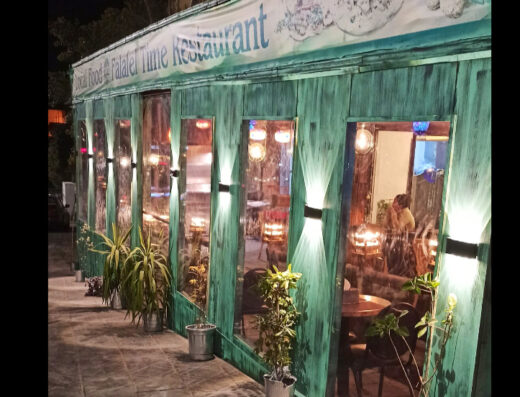

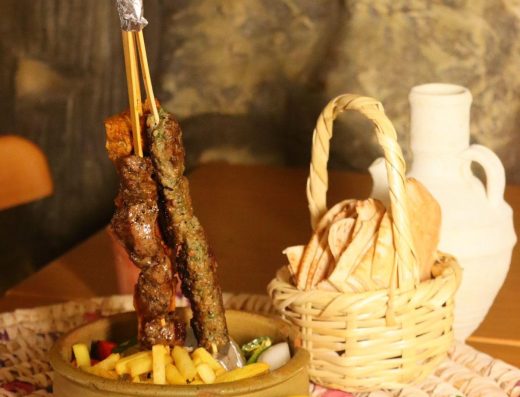

Bedouin House Restaurant
Near Arab bank، Wadi Musa, Petra - Jordan

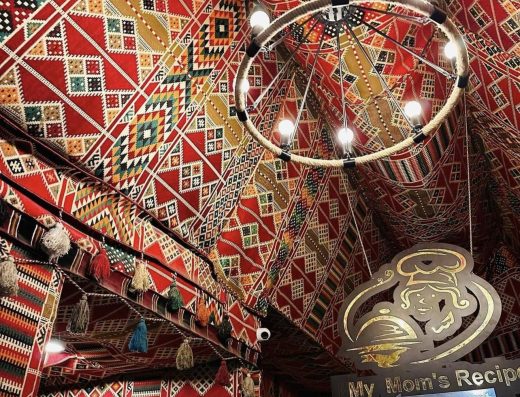
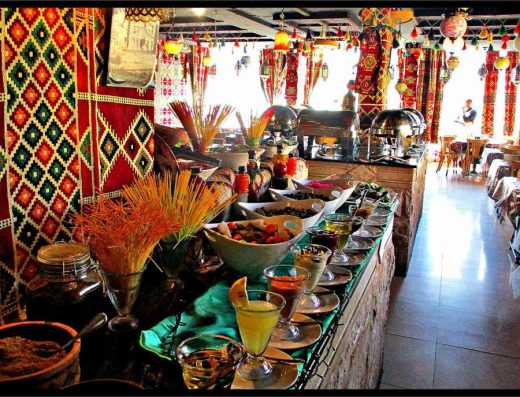
My Mom’s Recipe Restaurant
Tourism Street، Petra

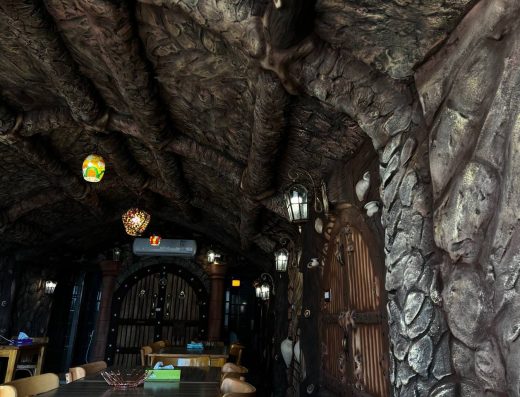
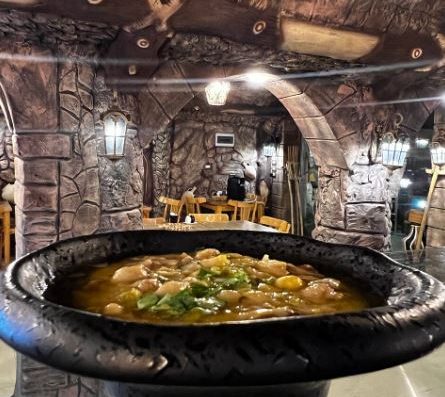


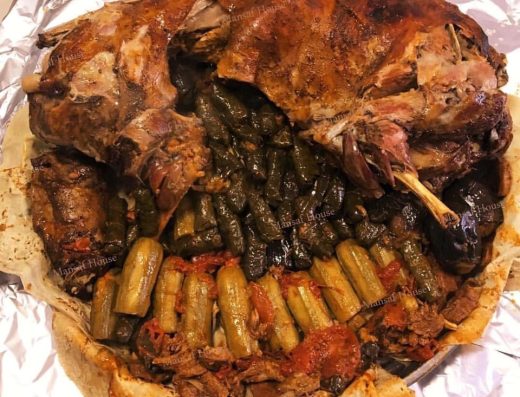


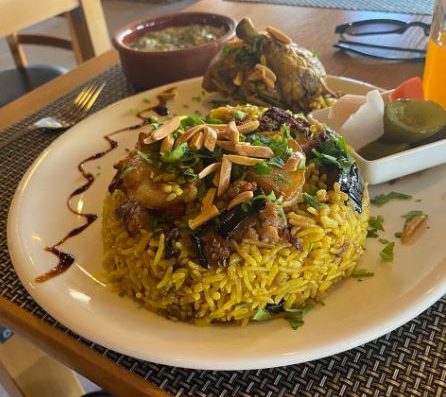
Petra Night Restaurant
Tourism Street, Petra, Jordan